

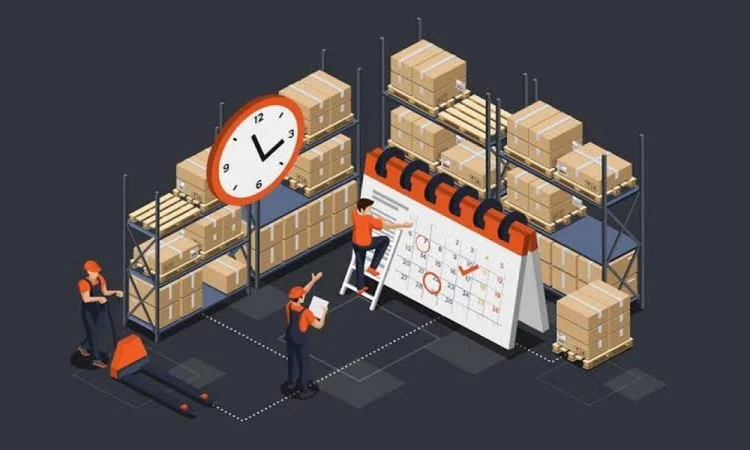
Peak Production Periods Change the Way Factories Operate
Manufacturing doesn’t run at the same pace all year.
Certain times of the year are noticeably busier than others. Large retail events, holiday shopping seasons, and industry buying cycles all create spikes in demand that push factories to increase output. Production lines stay busy for longer hours, order books fill up quickly, and suppliers work hard to meet tighter deadlines.
That’s when small issues have a greater chance of turning into larger ones.
A production delay that might have been easy to solve during a quieter month can become much more difficult when every machine, employee, and production line is already working at full capacity.
More Orders Can Mean More Pressure on Quality
Higher production volumes don’t automatically lead to lower quality.
Many experienced manufacturers are fully capable of handling busy periods without sacrificing standards. The challenge comes when demand grows faster than a factory’s available resources.
Additional workers may need to be hired. Production shifts may be extended. Equipment may run for longer hours with fewer opportunities for maintenance. Supervisors often have more teams to oversee than usual.
When these changes happen together, maintaining consistency becomes more difficult. Even small variations can spread quickly if they aren’t identified early.
Delivery Schedules Become Less Flexible
During quieter periods, suppliers may have room to adjust production schedules when customers request changes.
Busy seasons are different.
Factories often plan production weeks or even months in advance. If raw materials arrive late or a production issue slows one order, it can affect everything scheduled behind it. A small delay at the beginning of the process can ripple through the entire production calendar.
That’s why placing orders early is often one of the simplest ways to reduce unnecessary pressure during peak manufacturing periods.
Visibility Becomes Even More Valuable
When factories are managing multiple large orders at once, buyers naturally have less visibility into daily production.
That makes regular communication and independent oversight much more important.
Many businesses choose to include factory audit services as part of their broader supplier management strategy, particularly when preparing for high-demand periods. While audits don’t prevent seasonal pressure, they help buyers better understand how a factory manages production planning, quality systems, staffing, and operational processes before workloads reach their highest levels.
Knowing that those systems are well organized can provide far greater confidence when production schedules become especially busy.
Strong Planning Helps Suppliers Perform Better
Factories generally appreciate customers who plan ahead.
Advance forecasts, stable ordering patterns, and clear product specifications allow production managers to schedule resources more efficiently. It also reduces the need for rushed decisions that sometimes occur when orders arrive at the last minute.
Buyers benefit as well.
Better planning often leads to smoother communication, fewer unexpected delays, and more predictable production timelines throughout the year.
Seasonal Challenges Affect More Than Production
It’s easy to focus only on the factory floor, but busy seasons influence every part of the supply chain.
Raw material suppliers may experience shortages. Shipping space can become more difficult to secure. Warehouses and freight providers often deal with higher volumes, increasing the possibility of congestion and scheduling changes.
Even when production finishes on time, external factors can still affect delivery if businesses haven’t planned accordingly.
Understanding these wider supply chain pressures helps companies build more realistic timelines instead of relying on best-case scenarios.
Preparation Is Often the Biggest Competitive Advantage
Every importer works within the same seasonal production cycles.
The difference is how they prepare for them.
Businesses that communicate early, place orders before demand peaks, maintain strong supplier relationships, and monitor factory performance throughout the year are usually better positioned to handle busy periods successfully.
Seasonal demand will always create additional pressure across global manufacturing. Companies that recognize those patterns and plan ahead are far more likely to maintain both product quality and delivery performance when the supply chain is at its busiest.