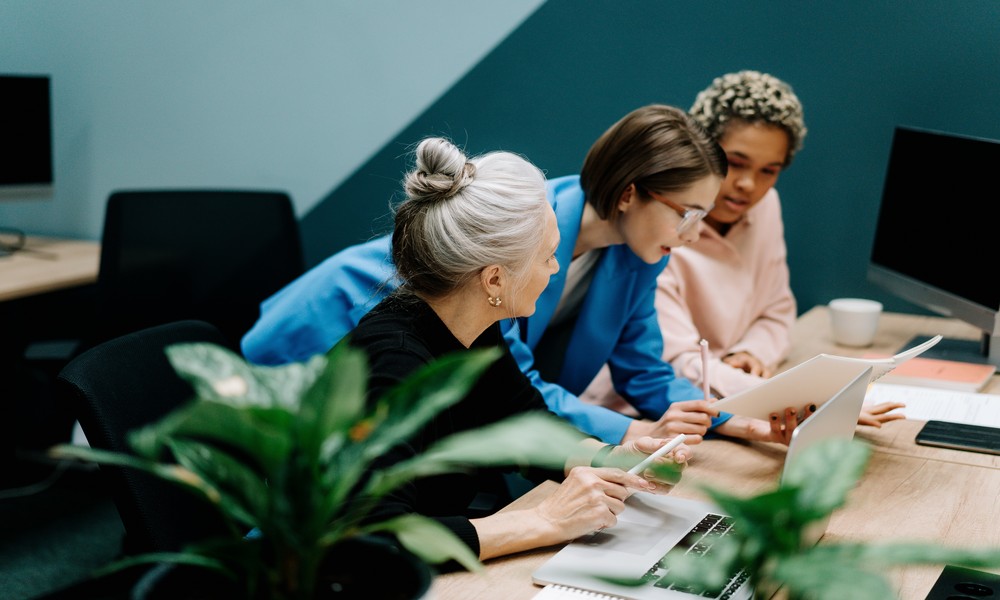
Why Office Interiors in Johor Bahru Are Starting to Look More Like Creative Studios Than Traditional Offices

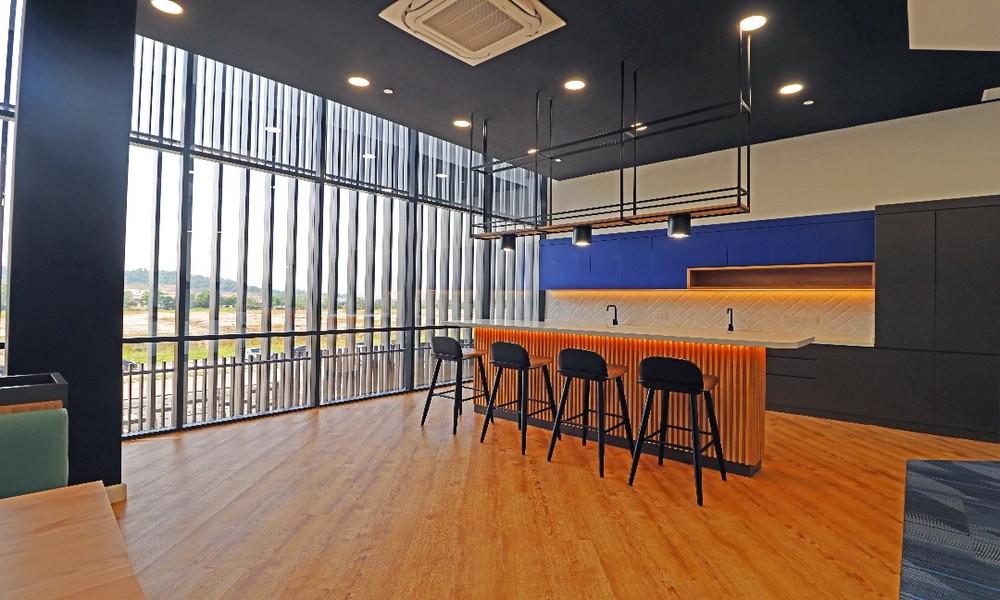
Walk into a growing number of offices in Johor Bahru today, and something feels different. Gone are the rows of identical desks, harsh fluorescent lighting, and rigid layouts.
Instead, you’ll see:
- Open, flexible work zones
- Lounge-style seating
- Warmer lighting and softer materials
- Spaces that look more like creative studios than corporate offices
At first glance, it might seem like a design trend. But it’s actually a response to how work itself has changed.
Here’s why this shift is happening and why more businesses in Johor Bahru are embracing creative working spaces.
1. Work is no longer just task-based
Traditional offices were designed for repetitive, structured work.
Employees had fixed roles, fixed desks, and predictable routines.
But today, work is more dynamic.
People are:
- Switching between tasks
- Collaborating across teams
- Balancing focused work with meetings and discussions
Creative studio-style layouts support this flexibility better than rigid desk arrangements.
They allow people to move, adapt, and work in ways that match what they’re doing-not just where they’re assigned to sit.
2. Creativity and problem-solving are now priorities.
Modern businesses don’t just need output-they need ideas.
Whether it’s marketing, tech, design, or strategy, many roles now rely on:
- Brainstorming
- Collaboration
- Innovation
Traditional office setups don’t naturally support this.
Creative studio-style environments, on the other hand, encourage:
- Informal discussions
- Visual thinking (whiteboards, open walls)
- Easier sharing of ideas
In many stylish offices across Johor Bahru, this shift is directly linked to the need for more creative and adaptive teams.
3. Employee experience is becoming a business priority.
Companies are starting to realise something important:
The workplace is part of the employee experience.
A rigid, uninspiring office can feel:
- Draining
- Restrictive
- Outdated
A more studio-like environment feels:
- Comfortable
- Engaging
- Human
This doesn’t just affect mood-it affects retention, motivation, and overall performance.
In competitive job markets, the office itself has become a factor in attracting and keeping talent.
4. Hybrid work changed how offices are used.
With hybrid work becoming more common, offices are no longer just places to sit and work individually.
Instead, they’re becoming spaces for:
- Collaboration
- Meetings
- Team interaction
This naturally shifts design priorities.
Instead of maximising desk count, businesses focus on:
- Flexible seating
- Shared spaces
- Multi-purpose areas
Creative studio-style layouts fit this new purpose better than traditional setups.
5. Comfort improves productivity more than rigidity.
There was a time when “professional” meant strict and formal.
But that thinking has evolved.
Now, businesses understand that comfort can actually improve performance.
Studio-style offices often include:
- Softer seating
- Relaxed breakout areas
- More natural lighting
- Less harsh, clinical finishes
These elements help reduce stress and make long work hours more manageable.
In many workplaces in Johor Bahru, this leads to more consistent productivity throughout the day.
6. Open and flexible spaces improve communication.
Traditional offices often separate teams physically.
While this can help with focus, it can also slow down communication.
Creative studio-style layouts encourage:
- Faster discussions
- Easier collaboration
- More spontaneous idea-sharing
Of course, balance is important. That’s why many modern offices combine:
- Open areas for teamwork
- Quiet zones for focused work
This hybrid approach supports both collaboration and concentration.
7. Branding is now part of the workspace.
Offices are no longer just internal spaces.
They’re also:
- Client-facing environments
- Extensions of the brand
- Places where first impressions are formed
Studio-style interiors often reflect:
- Brand personality
- Company culture
- Creative identity
In Johor Bahru, businesses are increasingly using office design to communicate who they are-not just what they do.
8. Flexibility future-proofs the space.
Business needs change quickly.
Teams grow, roles shift, and workflows evolve.
Traditional office layouts can feel rigid and hard to adapt.
Studio-style environments, with:
- Modular furniture
- Open layouts
- Multi-use zones
…are much easier to adjust over time.
This flexibility reduces the need for constant redesign or renovation.
9. It’s not about being “creative”-it’s about being practical.
Despite how it looks, this shift isn’t just about making offices more “creative.”
It’s about making them more practical for modern work.
Creative studio-style design:
- Supports different work modes
- Improves comfort and focus
- Encourages better communication
- Adapts to changing needs
In many offices across Johor Bahru, the goal isn’t to look trendy.
It’s to work better.
Final Thoughts
Office interiors are changing because work itself has changed.
The shift from traditional layouts to creative studio-style spaces reflects:
- More flexible workflows
- Greater emphasis on collaboration
- A stronger focus on employee experience
In the end, these spaces aren’t just about aesthetics.
They’re about creating environments that support how people actually think, interact, and perform today.
And that’s why more offices in Johor Bahru are starting to look less like traditional workplaces and more like creative studios.