

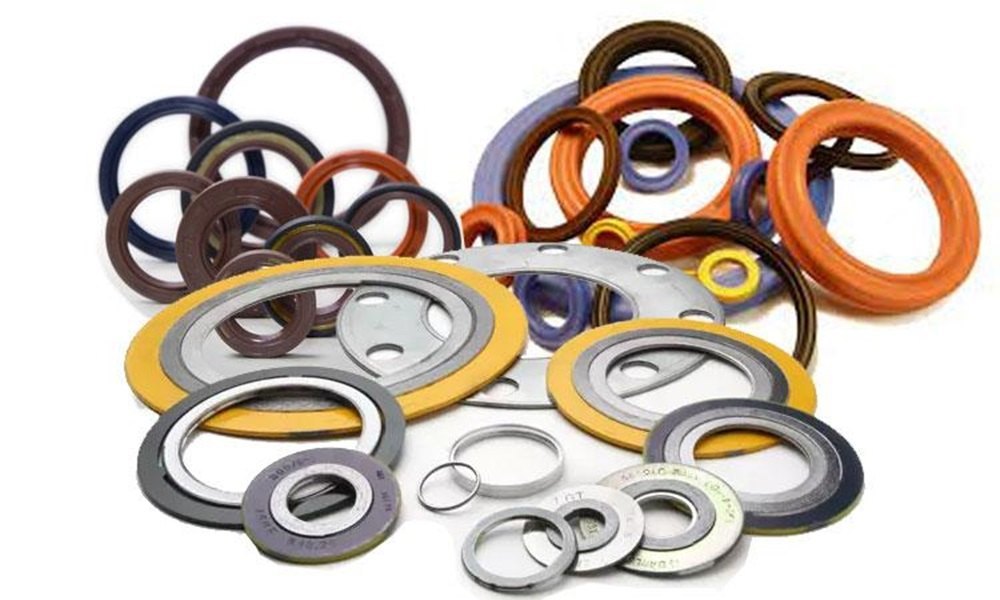
In industrial systems, a proper seal is crucial to prevent leaks and ensure safe operations. Gaskets play a key role in creating these seals. Many engineers and plant managers are now exploring fep encapsulated gaskets for high-performance applications.
These gaskets combine chemical resistance, durability, and flexibility. They are ideal for environments where standard gaskets may fail. Understanding their benefits and applications is essential when designing reliable sealing solutions.
What Is an FEP Encapsulated Gasket?
An fep gasket is a type of gasket coated with fluorinated ethylene propylene (FEP). This material provides excellent chemical resistance and temperature stability. FEP encapsulation protects the core material of the gasket from aggressive chemicals and physical wear. It is commonly used in industries handling acids, solvents, and other corrosive fluids.
Advantages of Encapsulated Gaskets
Encapsulated gaskets offer several advantages over traditional gaskets:
- Enhanced chemical resistance due to the FEP layer
- Longer service life and reduced maintenance costs
- High mechanical strength suitable for demanding applications
- Minimal risk of leaks under high pressure or temperature conditions
Many companies rely on encapsulated gasket solutions to maintain process safety and operational efficiency. These gaskets are particularly useful in chemical, pharmaceutical, and food processing industries.
Applications of FEP Encapsulated Gaskets
FEP encapsulated gaskets are versatile. They can be used in piping systems, flanges, valves, and mechanical assemblies. Their chemical resistance makes them suitable for handling corrosive liquids. Temperature resistance allows them to operate efficiently under extreme conditions.
They are also compatible with various sealing standards and mechanical configurations. This makes them a preferred choice for industries seeking reliable performance.
Choosing the Right Mechanical Seal
When selecting a gasket for critical applications, it is important to consider compatibility with the system. Working with experienced mechanical seal manufacturers ensures that the gaskets meet operational requirements. Proper design, material selection, and quality control are crucial to avoid failures.
Encapsulated gaskets are available in different sizes and shapes. Choosing the correct type ensures optimal sealing and reduces downtime in industrial operations.
Why FEP Encapsulated Gaskets Are Preferred
FEP encapsulated gaskets are often preferred because they combine flexibility and chemical protection. They reduce the need for frequent replacement. Their performance reliability minimizes the risk of leaks and accidents. Industries that prioritize safety and efficiency often invest in high-quality encapsulated gaskets.
Tips for Maintaining Encapsulated Gaskets
To maximize the life of encapsulated gaskets:
- Regularly inspect gaskets for wear or damage
- Ensure proper installation following manufacturer guidelines
- Avoid exposure to incompatible chemicals
- Replace gaskets at recommended intervals for high-pressure or high-temperature systems
Proper maintenance ensures long-term performance and prevents costly downtime.
In industrial sealing applications, fep encapsulated gaskets and fep gaskets provide unmatched chemical resistance and durability. Using high-quality encapsulated gasket solutions from trusted mechanical seal manufacturers ensures safety, reliability, and efficiency in critical systems. Companies like KAF Vulcan India provide robust encapsulated gaskets and camlock couplings designed for demanding industrial needs.