

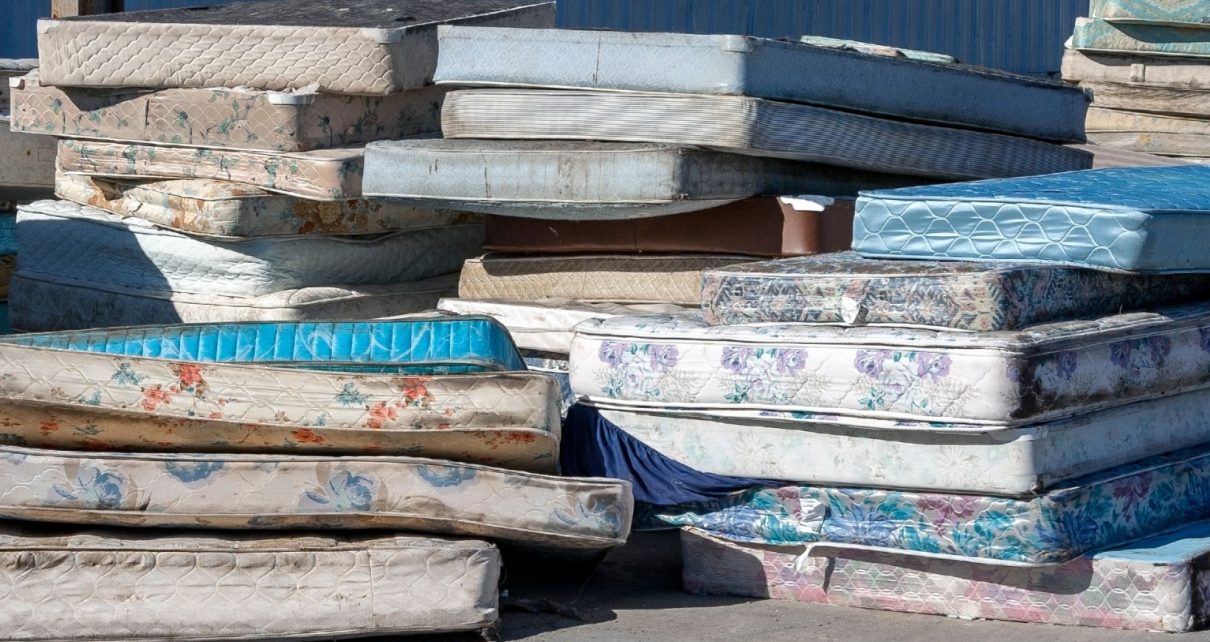
Imagine tossing out your old mattress, only to learn it will linger on earth for the next 100 years. Mattress waste is quietly piling up, and while most people believe recycling is the easy answer, the reality is much messier.
The Hidden Problem: Why Mattress Waste Is a Growing Environmental Threat
Every night, millions sleep on mattresses destined to become environmental headaches. As consumer habits shift and more people replace beds for comfort or health, the volume of discarded mattresses is skyrocketing.
The Scale of Mattress Waste Worldwide
Globally, tens of millions of mattresses are discarded annually, each one a bulky, persistent problem. In Canada alone, hundreds of thousands of units need disposal every year, and the challenge extends across continents, from North America to Europe.
Why Mattresses Are So Hard to Dispose Of
Mattresses are big, heavy, and constructed from a cocktail of materials: foam, metal springs, wood, and textiles. Their sheer bulk makes them difficult to compact, and mixed materials complicate traditional recycling. Most cities lack specialized facilities, turning mattresses into landfill-bound burdens.
The Impact of Landfilling Mattresses on the Environment
Dumping mattresses in landfills is a slow-motion disaster. A single mattress can take up to a century to break down. As they decompose, they release harmful chemicals and greenhouse gases. Worse, their shape traps air, leading to landfill fires and wasted space.
Unpacking the Mattress Recycling Myth
Recycling a mattress should be simple, but myths and misinformation abound.
Common Misconceptions About Mattress Recycling
Many believe that municipal recycling programs handle mattresses just like bottles or cans. In reality, most programs refuse these cumbersome items outright, leaving consumers with few sustainable options.
Why Traditional Recycling Programs Often Fail for Mattresses
Mattresses clog machinery, and their component mix defies easy sorting. Incineration might sound efficient, but it releases toxins and misses recovery opportunities. Well-intentioned drop-off points often route mattresses to landfills after all.
The False Promise of Landfill and Incineration
Disposing of mattresses in landfills or through incineration is marketed as a solution, but it only shifts the problem. Incineration creates air pollution, while landfills remain overburdened and dangerous.
Innovative Solutions Reshaping Mattress Waste Management
A new generation of recycling pioneers is changing the equation. Advanced dismantling technologies and dedicated programs are proving that a mattress’s end-of-life story can be rewritten.
How Advanced Dismantling Technology Changes the Game
Specialized machinery can now strip mattresses into their recyclable components at high speed. Foam, metal, and fabric are separated efficiently, giving each material a new lease on life as insulation, scrap, or padding.
Case Study: Recyc-Mattress and Its Unique Recycling Process
Consider the canadian mattress recycling company Recyc-Matelas. Founded in 2007, this trailblazer tackles the mattress crisis head-on, employing unique technology to process huge volumes for cities and municipalities. With six branches across Quebec, Ontario, France, and Belgium, Recyc-Matelas diverts over 400,000 mattresses annually in Canada and a staggering one million in France alone. Not a single mattress ends up in landfill, an impressive feat in an industry with few true recycling options.
Social and Environmental Benefits of Mattress Recycling Programs
Besides slashing landfill waste, Recyc-Matelas has created a sustainable jobs program that reintegrates people with intellectual disabilities into the workforce, linking environmental impact and social good.
From Awareness to Action: How You Can Reduce Mattress Waste Today
Even if your city lags behind, there are practical steps you can take.
Tips for Responsible Mattress Disposal and Recycling
– Research local recycling options: Not all regions have dedicated programs, but some urban centers partner with recyclers.
– Ask retailers: Many mattress sellers now offer take-back programs when you buy a new bed.
– Donate in good condition: Charities and shelters often accept gently used mattresses.
Supporting Local and National Mattress Recycling Initiatives
Vocal support for mattress collection events or drop-off points can help convince officials to invest in recycling infrastructure. Seek out businesses committed to full-cycle management of mattresses.
Advocating for Policy Changes and Sustainable Waste Management
Policy shifts are overdue. Urge local leaders to prioritize extended producer responsibility, requiring manufacturers to finance recycling. Push for bans on sending mattresses to landfill to spur innovation.
The Future of Mattress Recycling: Toward Zero Waste
The journey to zero mattress waste is gaining momentum, but it’s not automatic.
Emerging Technologies and Trends in Mattress Recycling
Robotics, artificial intelligence, and better material tracking are making it easier to sort and repurpose mattress parts.
The Role of Communities and Consumers in Waste Reduction
Community-driven programs and informed buyers drive demand for sustainable disposal and transparent supply chains. The more we ask, the more businesses and governments respond.
Envisioning a Circular Economy for Mattresses and Beyond
A world where every mattress is recycled, every component reborn, and every worker valued isn’t just a dream. It is already starting in places where commitment and technology meet. The next time you think a mattress is just another piece of trash, remember: change starts with a single decision, yours included.