
Many organisations seek support from a building sustainability consultant when designing new facilities or upgrading existing ones. As expectations for greener development rise, companies want clearer guidance on energy use, indoor comfort, materials, and long-term operational efficiency. At the same time, many teams explore Leadership in Energy and Environmental Design (LEED) certification to strengthen credibility and demonstrate commitment to environmental responsibility. These goals require structured planning and informed decision-making, which can be challenging without professional expertise. Understanding how sustainability specialists guide these processes helps companies approach green development with confidence and clarity.
1. Clarifying Certification Pathways And Setting Realistic Targets
One of the most valuable roles of a building sustainability consultant is helping companies understand which certification pathways best match their goals. Many teams explore LEED certification because it provides a well-recognised framework for assessing building performance. However, the requirements vary across categories, and not every project begins with the same baseline. Consultants break down the criteria, explain achievable credit options, and help teams determine which level of certification aligns with the project’s scope.
This early guidance prevents unrealistic assumptions and reduces the risk of misaligned planning. Project teams gain a clearer picture of what must be included in the design, how the building must perform, and which strategies offer the strongest impact. Instead of navigating complex documentation alone, organisations receive structured support that keeps the project grounded. These conversations set the foundation for accurate budgeting, efficient scheduling, and well-organised decision-making.
Consultants also help identify potential challenges, such as energy targets or site constraints. By addressing these issues early, teams proceed with a plan that suits their timeline and resources. This practical start reduces disruptions during later stages and helps the project maintain steady progress.
2. Integrating Sustainable Strategies Into Early Design Decisions
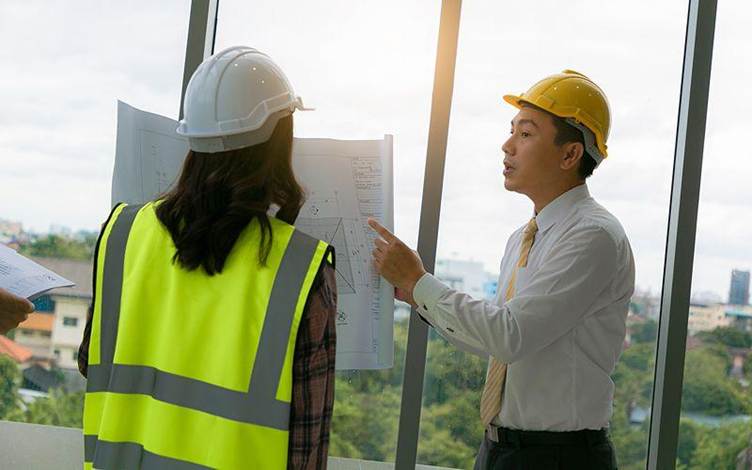
Building performance depends heavily on initial design choices. A building sustainability consultant works closely with architects and engineers during these early stages to ensure that sustainability is part of the design conversation before drawings become final. This includes guidance on building orientation, daylight access, natural ventilation, and material selection. These early decisions contribute significantly to achieving LEED certification because strong foundations support the entire assessment process.
Consultants provide modelling insights to predict energy use, comfort levels, and long-term efficiency. These assessments help project teams choose strategies that balance functionality with environmental performance. When early choices reflect sustainable principles, the building becomes easier to optimise during construction and operation. This approach prevents costly redesigns by ensuring sustainability is embedded in the project from the start.
Integrating sustainability early also improves overall user experience. Proper daylighting, thermal comfort, and air quality create healthier spaces for occupants. These benefits extend beyond certification, contributing to workplace satisfaction and long-term operational stability.
3. Ensuring Consistent Documentation And Compliance Throughout Development
Sustainability certifications require detailed documentation, from energy models to material records. A building sustainability consultant coordinates these requirements and ensures every aspect aligns with LEED certification guidelines. This support prevents gaps or inconsistencies that may affect scoring. Consultants track progress, guide contractors through reporting obligations, and organise evidence needed for evaluations.
Clear documentation brings structure to complex processes. Teams understand what information must be collected at each stage, reducing confusion during audits or submissions. This consistency also benefits communication between stakeholders. When everyone follows the same framework, it becomes easier to resolve questions, manage expectations, and keep compliance efforts aligned.
This guidance reduces the risk of last-minute challenges that can delay certification. By managing documentation steadily across the project timeline, consultants help teams maintain clarity and reduce administrative stress. The result is a more predictable pathway to achieving sustainability goals.
4. Supporting Long-Term Performance And Operational Efficiency
Sustainability does not end when construction is complete. A building sustainability consultant helps teams plan for long-term performance to ensure the building operates efficiently. This includes suggesting systems for monitoring energy use, evaluating indoor comfort, and tracking water consumption. These tools help facility managers maintain the standards required for LEED certification while ensuring that environmental targets continue to be met.
Consultants also provide training for facility teams, ensuring they understand how new systems work and how to maintain them effectively. This support allows buildings to stay efficient, comfortable, and aligned with sustainability principles throughout their lifespan. Long-term planning protects the value of the investment by reducing energy waste and improving operational stability.
Conclusion
Sustainability specialists play an essential role in helping companies navigate green development. A building sustainability consultant provides guidance on certification pathways, supports early design decisions, ensures consistent reporting, and strengthens long-term building performance. For organisations pursuing LEED certification, this expertise builds clarity and confidence throughout the development process. With structured support, teams create buildings that meet environmental goals while delivering practical benefits for occupants and operations.
Get in touch with Afogreen Build to find out how professional advice may assist sustainable design and certification for your upcoming project.